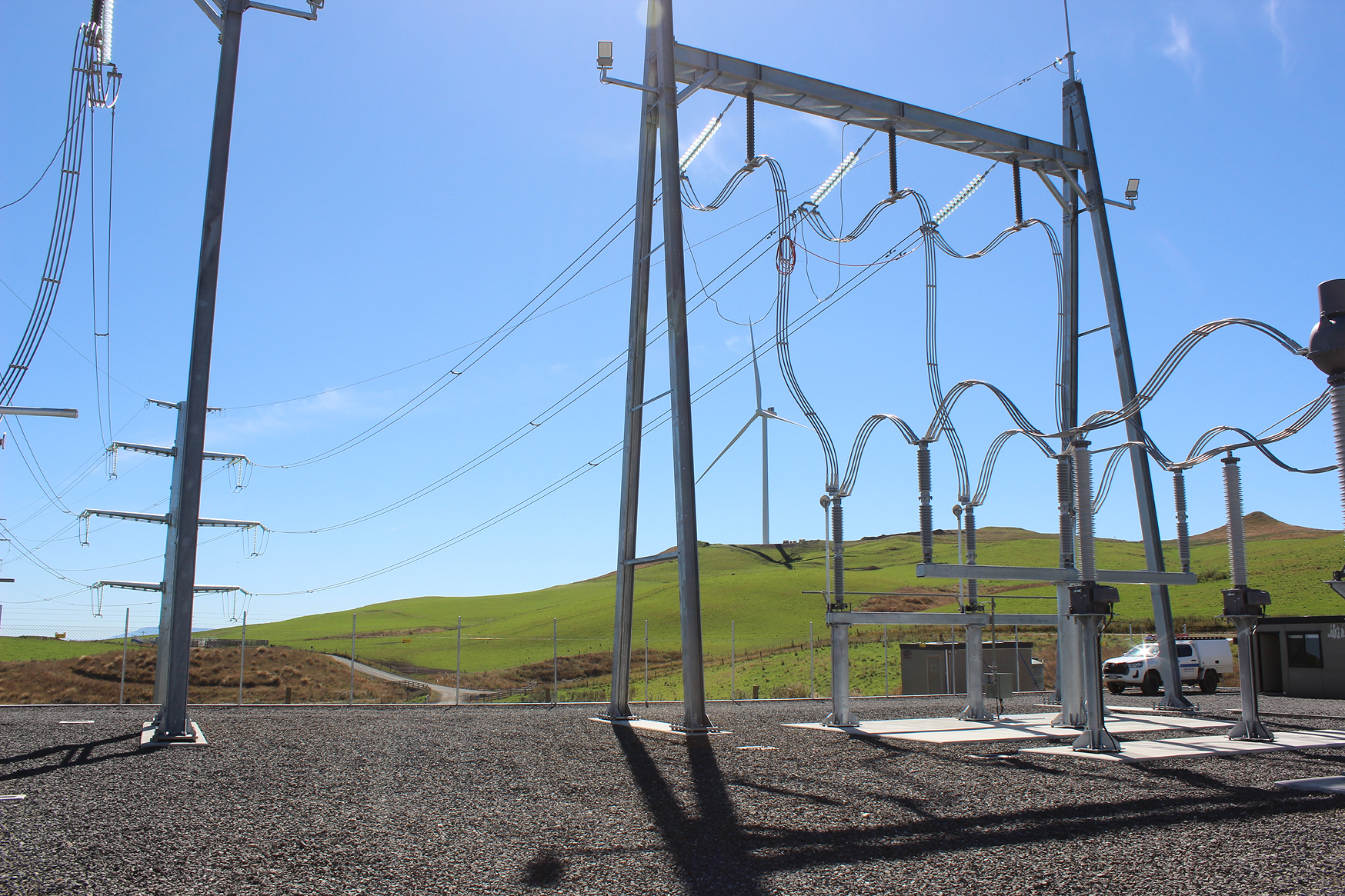

ElectroNet Group has played a pivotal role in the development of Mercury’s Kaiwera Downs Wind Farm, contributing to New Zealand’s renewable energy future since the design of Stage One (KD1) in 2022. Over the past four years, ElectroNet has helped deliver both stages of this 2,560-hectare wind farm, now home to 46 turbines with a total capacity of 198 MW.
Stage One – ElectroNet Delivers Electrical Balance of Plant
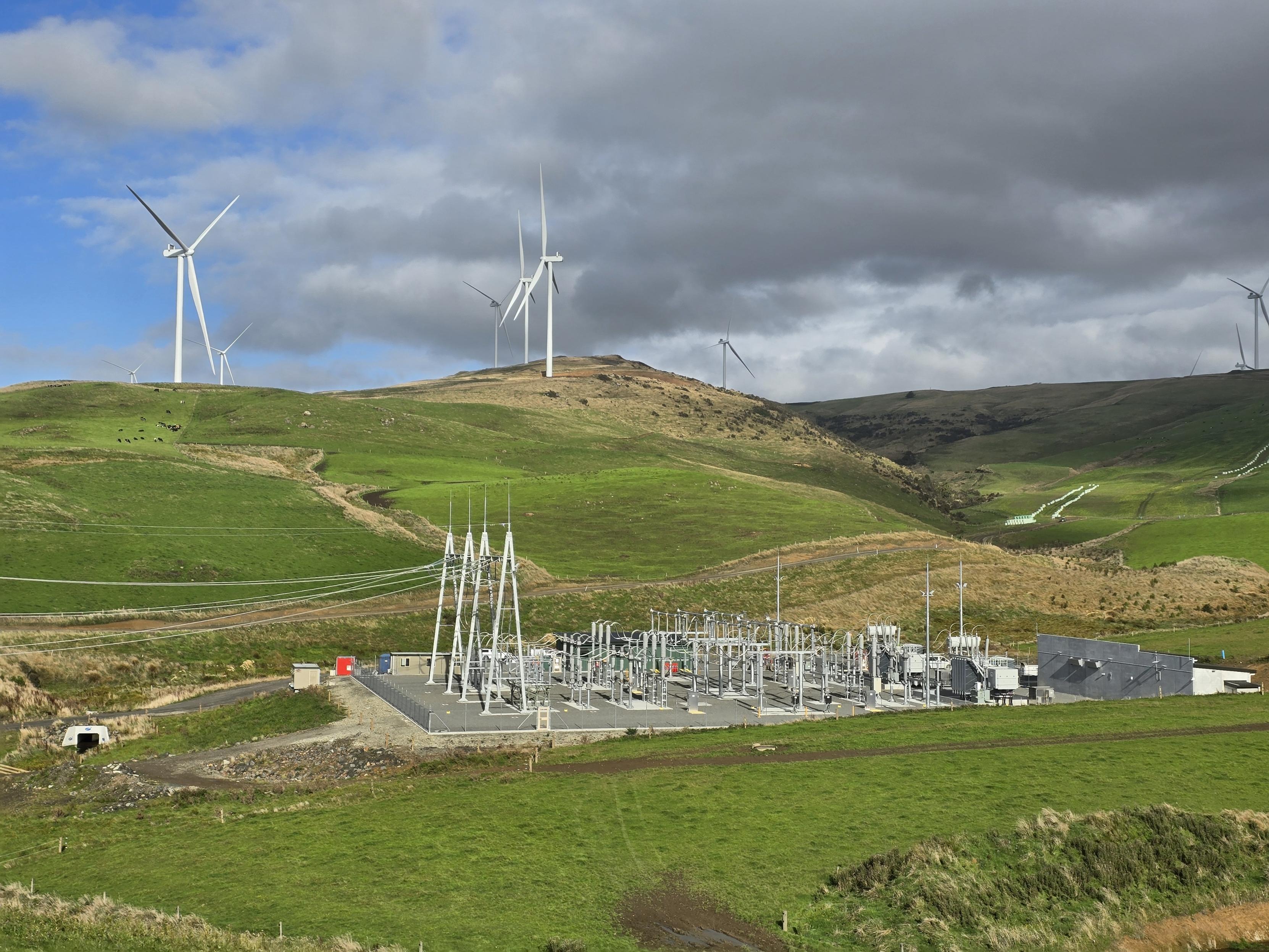
For KD1, ElectroNet delivered the Electrical Balance of Plant, including design, procurement, installation, and commissioning of the 33kV collector system network and substation.
Collaboration with subcontractors was key to the project’s success:
Work began in October 2022, and the substation was commissioned by June 2023 under budget and without incidents, laying a strong foundation for Stage Two.
Stage Two – Grid Connection
Building on Stage One’s success, ElectroNet delivered the grid connection for Stage Two (KD2), a 155 MW development that will significantly contribute to New Zealand’s electricity supply.
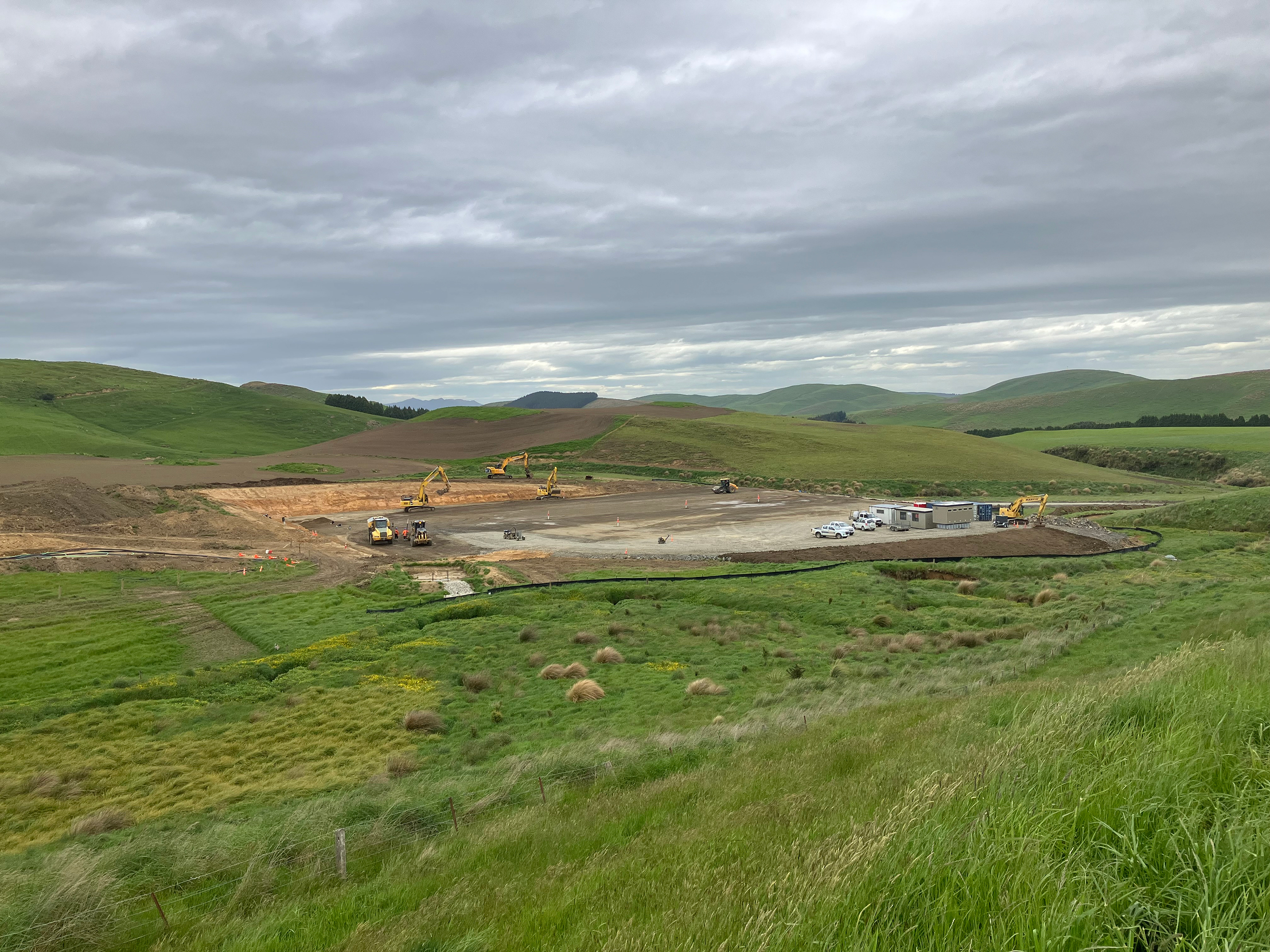
ElectroNet has designed, procured and constructed the high-voltage infrastructure required to connect 36 wind turbines to the national grid. This includes transmission lines, a new substation, and an extensive cabling network linking each turbine back to the grid.
Highlights of ElectroNet’s KD2 delivery include:
With all cables now installed, commissioning is complete, including livening transformers, switchgear, and initial turbine strings.
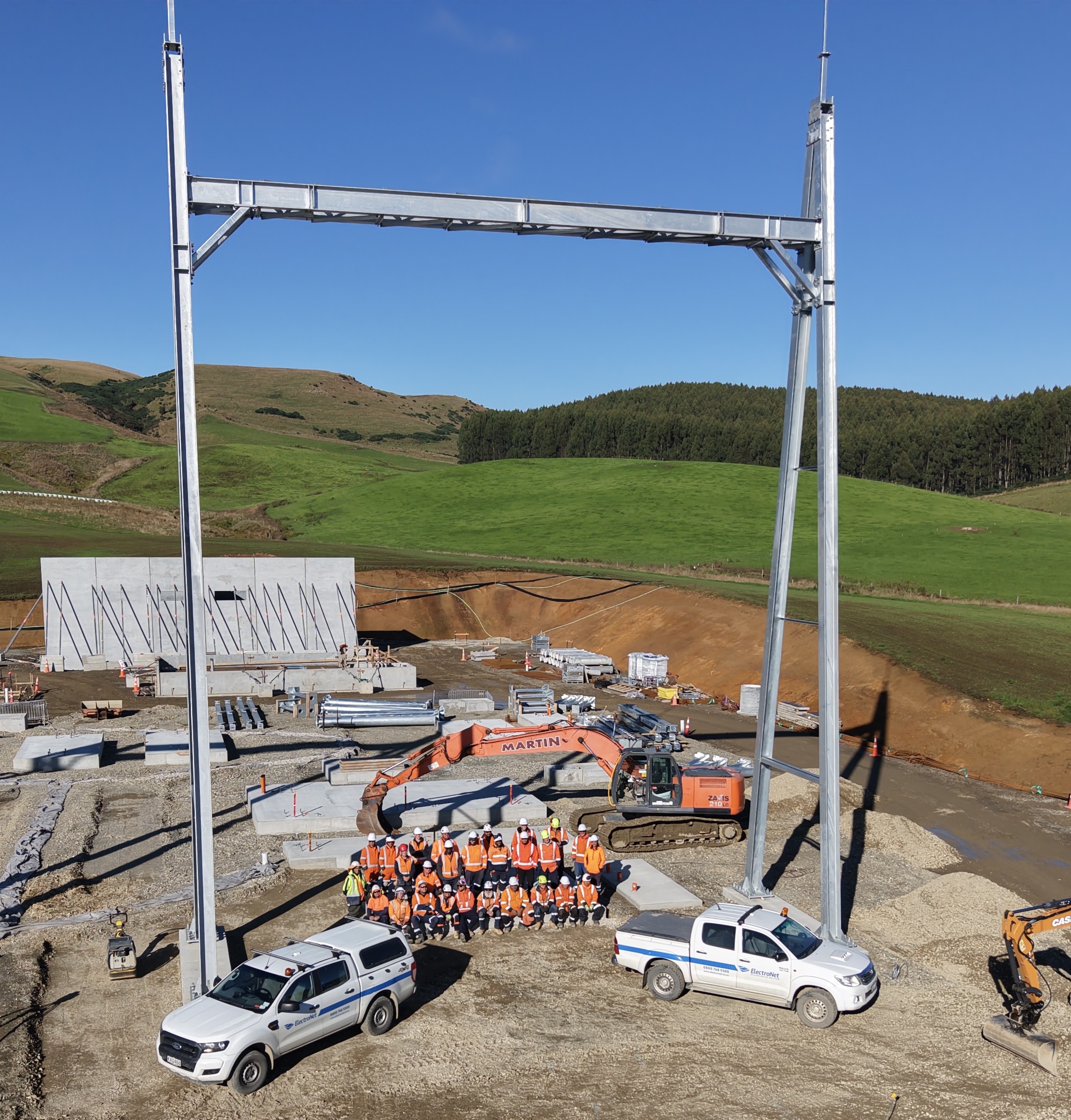
One team, Best for Project
The success of Kaiwera Downs reflects the collective effort across ElectroNet Group—from engineers and field crews to support teams. A “best for project”mindset ensured challenges were solved collaboratively, efficiently, and safely.

Proud to support New Zealand’s renewable future
From completing KD1 to delivering the critical grid connection for KD2, Kaiwera Downs demonstrates ElectroNet Group’s ability to deliver large-scale renewable energy infrastructure from design through commissioning. We’re proud to have helped bring the South Island’s largest wind farm to life.
Delivering a project of this scale required a significant,highly coordinated team effort across ElectroNet Group. From tender through to commissioning, people across project management, engineering, and field delivery played a critical role in bringing Kaiwera Downs to life.
Project Manager Matt Daffin was involved from the very beginning, overseeing the project from tender through design and into commissioning. For Matt, one of the biggest challenges was coordinating multiple workstreams alongside other Mercury contractors to ensure teams could operate efficiently without getting in each other’s way. What stood out most was the people involved: a strong, collaborative project crew across ElectroNet, Mercury, and site management teams. Being part of the project also carried a sense of purpose, contributing to New Zealand’s wider electrification and renewable energy goals.
On the ground, Project Supervisor Brian Tannahill led the primary works, including the extensive earthing system—much of which sits unseen beneath the substation. His role involved overseeing everything from underground copper installation and cad welding through to equipment installation and problem-solving when gear arrived from across the globe.
Brian highlighted the scale and complexity of the work, from managing constant changes in staffing and priorities to ensuring progress continued despite delays and shifting resources. Innovation was often required on site, including adapting installation methods and using temporary equipment to keep momentum.
For Brian, one of the most rewarding aspects was seeing every stage of the build come together—from early groundwork through to energising the first turbine strings. He credits the project’s success to the collective effort of the entire team, noting that from experienced staff to apprentices, every contribution was essential in getting the job done.


