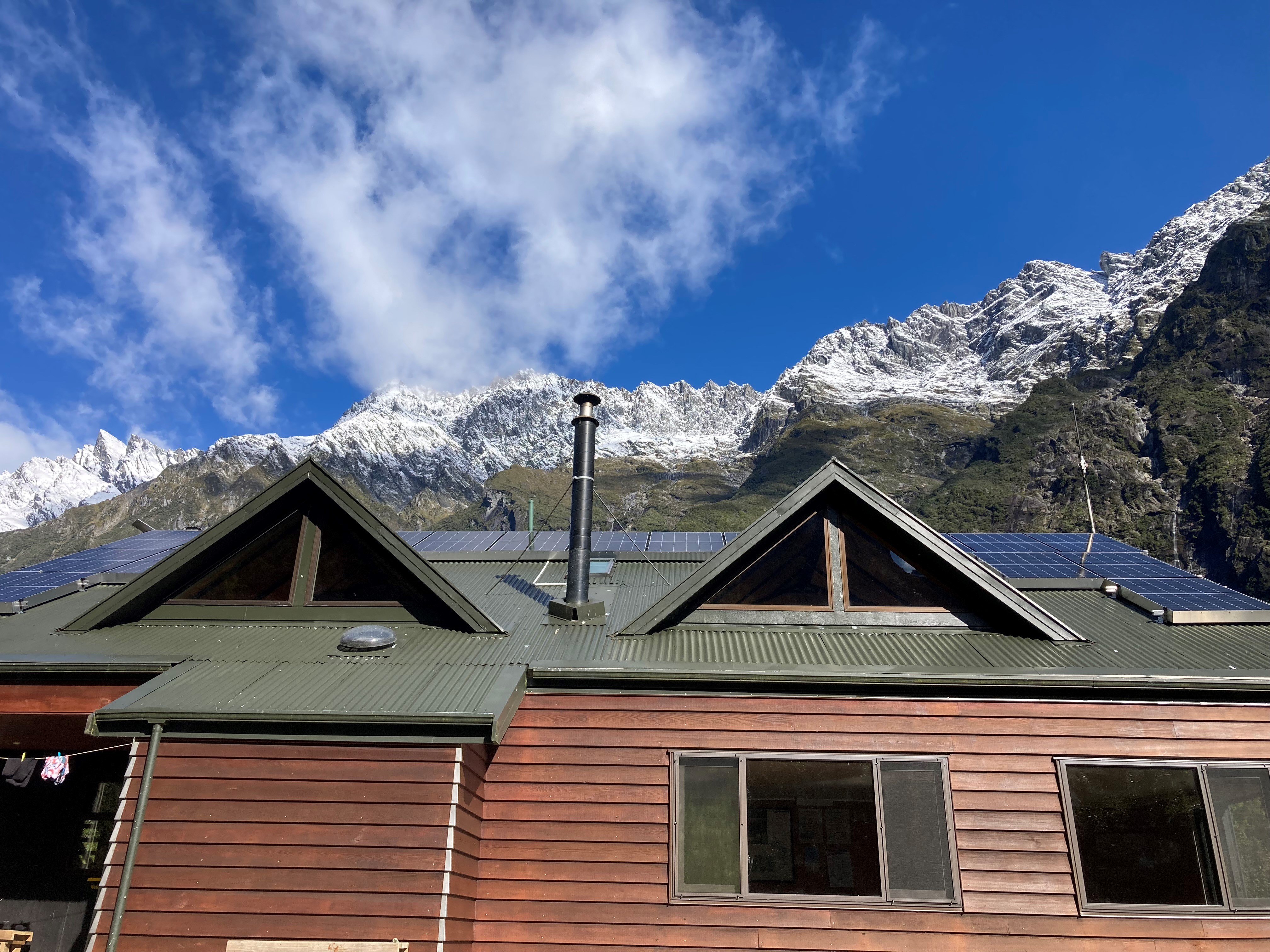

Nestled beneath the Southern Alps, Welcome Flat Hut is a popular backcountry destination for trampers making the long trek up the Copland Valley to soak in its natural hot pools.
Despite its relatively young age, the hut was struggling with mould, mildew, and freezing conditions without reliable heating or communications. The Department of Conservation (DOC) asked us (ElectroNet Group)how we could find a solution that was both sustainable and practical.
We work on a variety of projects delivering tailored electricity solutions, and this one was no exception. Our Engineering team developed the concept design, while our Electrical Services team completed the detailed onsite design and installation of the power system. This was delivered in conjunction with Decarbonised Energy Solutions, who were responsible for the heating system design and delivery.
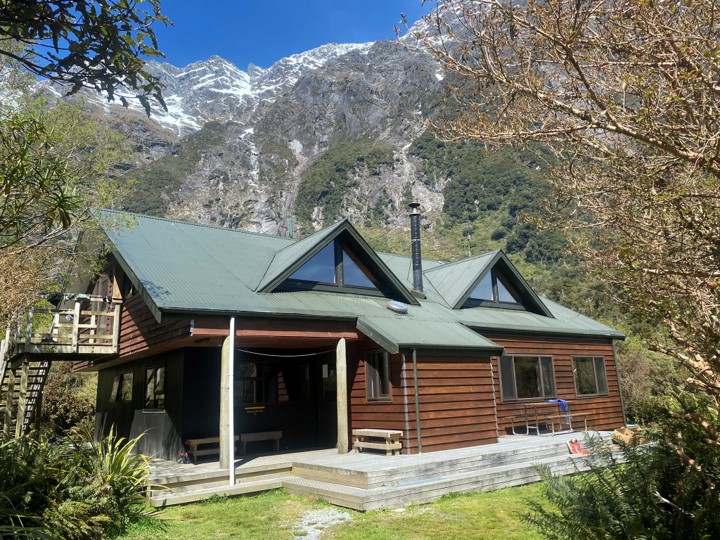
A challenging location
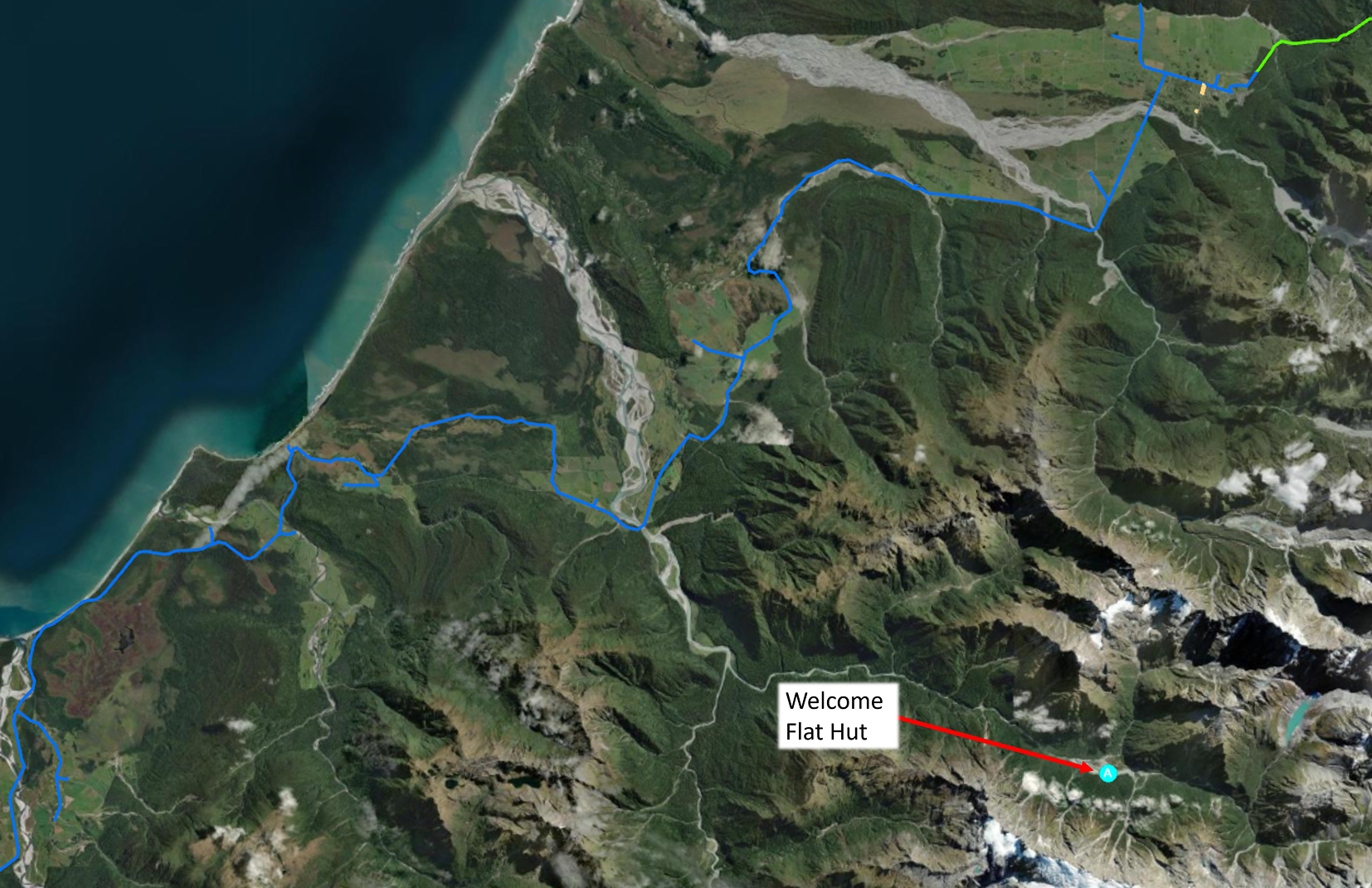
Welcome Flat Hut is remote, about 14 kilometres from the nearest distribution line, so running traditional poles and wires was never going to be viable. Any design also had to consider DOC’s strong focus on reducing carbon emissions, while keeping maintenance to a minimum given the isolation of the site.
Finding renewable answers
During the initial site visit, engineers measured water flow, head levels, and investigated available natural resources. While wind and solar had potential, their limitations – harsh conditions and reduced sunlight hours – meant they couldn’t stand alone.
Instead, the team designed a hybrid renewable system combining three sources:
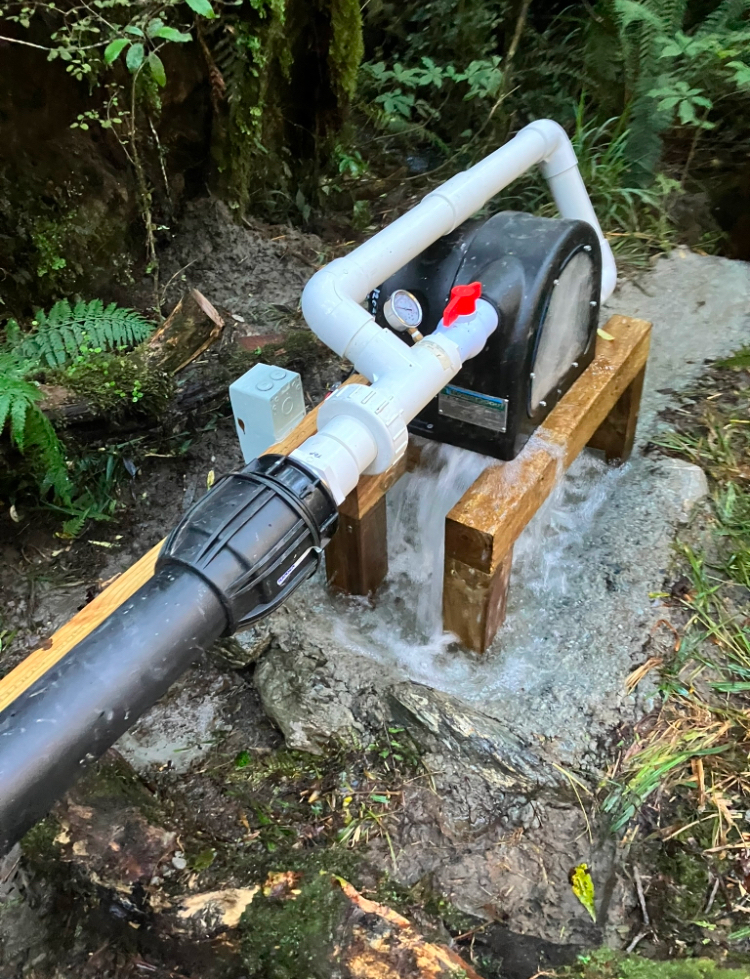
.jpg)
The result is a robust, renewable energy system that ensures comfort for visitors while reducing the need to fly in coal and firewood – a significant step in lowering DOC’s fuel use and emissions.
A warmer, more resilient hut
The improvements have extended the hut’s life, reduced maintenance costs, and most importantly, created a healthier, more comfortable environment for trampers and volunteers.
For ElectroNet’s engineering and electrical contracting teams, the project was unique and challenging as it required innovation with respect for the remote alpine environment.
The project was delivered in close collaboration with DOC.DOC South Westland District Operations Manager Wayne Costello said the system is now fully operational, with the hut currently set at 20°C. During summer, we have an opportunity to test performance and iron out any issues ahead of each winter period.
Wayne added, “I’d like to acknowledge the tremendous support and enthusiasm this project has received from ElectroNet. Without the team, I wouldn’t have got this project off the ground.”


